





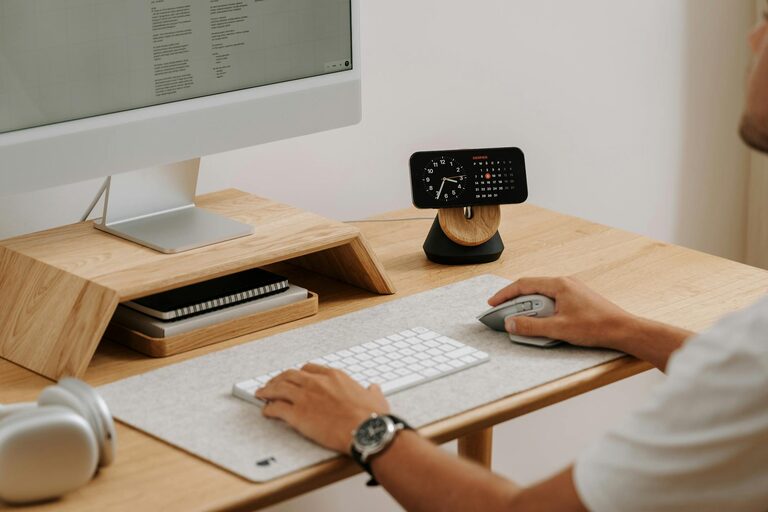
Creating a productive home office environment is essential for anyone who works remotely or needs a dedicated space for focused tasks. A well-designed workspace can improve concentration, reduce distractions, and enhance overall well-being. Whether you’re setting up a new home office or improving an existing one, these practical tips will help you create a space that supports your best work.
Choose the Right Location
Assess Your Space
Start by selecting a quiet spot with minimal foot traffic and noise. If possible, choose a room with a door to limit interruptions. Natural light is a big plus, so look for a space near a window to brighten the room and help regulate your rhythm throughout the day.
Consider Privacy and Comfort
Make sure the space feels inviting and private. If a separate room isn’t possible, try using room dividers, curtains, or a bookshelf to create a distinct boundary between work and living areas.
Invest in Ergonomics
Select a Comfortable Chair
Your chair should support good posture, with adjustable height and lumbar support. Sitting comfortably reduces fatigue and back pain, helping you stay focused longer.
Set Your Desk Height Properly
Your desk should allow your elbows to rest at a 90-degree angle when typing, with your feet flat on the floor or on a footrest. Keep monitor screens at eye level to prevent neck strain.
Use Accessories Wisely
Consider ergonomic accessories like a keyboard tray, a mouse pad with wrist support, or a document holder to minimize strain and improve comfort during extended work sessions.
Organize Your Workspace
Declutter Regularly
Clear the desk surface of unnecessary items so you can focus on the task at hand. Keep only essentials like your computer, notebook, and a pen within easy reach.
Use Storage Solutions
Utilize drawers, shelves, and organizers to keep supplies tidy and out of sight. Label storage boxes or trays for quick access to important documents.
Manage Cables
Tidy up cords using clips, sleeves, or ties. A clean and organized workspace minimizes distractions and makes cleaning easier.
Optimize Lighting
Maximize Natural Light
Position your desk near a window to take advantage of daylight, which can improve mood and alertness.
Add Task Lighting
Use a desk lamp with adjustable brightness and color temperature to reduce eye strain, especially during late hours or on cloudy days.
Avoid Glare
Arrange screens and lights to prevent glare from windows or overhead lights, which can cause headaches and fatigue.
Control Noise and Distractions
Use Noise-Canceling Headphones
If background noise is unavoidable, noise-canceling headphones can help you stay focused.
Set Boundaries
Communicate work hours and boundaries clearly with family or housemates to minimize interruptions.
Keep Distraction Tools Nearby
Have a plan for managing distractions, like a timer or apps that block distracting websites during work hours.
Personalize Your Space
Add Inspiring Elements
Incorporate plants, artwork, or personal items that bring you joy but don’t clutter your space.
Choose Calming Colors
Soft, neutral colors tend to create a calm atmosphere, while pops of color can add energy and creativity.
Create a Routine
Having a consistent routine with a dedicated workspace helps signal your brain that it’s time to focus.
Stay Connected and Take Breaks
Use Technology to Stay in Touch
Keep easy access to communication tools for virtual meetings and collaboration with colleagues.
Schedule Breaks
Regular breaks refresh your mind and body. Try techniques like the Pomodoro method—25 minutes of work followed by a 5-minute break.
Move Around
Stand up and stretch or take short walks to prevent stiffness and boost circulation.
Keep Your Workspace Clean
Develop a Cleaning Routine
Regularly wipe down surfaces and dust your workspace to maintain a healthy environment.
Manage Air Quality
Use an air purifier or keep windows open when possible to ensure good air circulation.
—
Creating a productive home office is all about combining comfort, organization, and personal touches that help you stay motivated. By optimizing your environment with these tips, you’ll set yourself up for success every workday, no matter where you are.




More Stories