




Creating a home workspace that feels both relaxing and productive can make a significant difference in your workday. Whether you’re working from home full-time or just need a dedicated spot for occasional tasks, having a space designed with comfort and focus in mind helps reduce stress and improve efficiency. Here are practical tips to guide you through setting up a home workspace that nurtures both productivity and relaxation.
1. Choose the Right Location
Start by selecting a quiet spot with minimal distractions. If possible, pick a space away from high-traffic areas like the kitchen or living room. Natural light is a key factor in creating a pleasant workspace, so try to position your desk near a window. Exposure to daylight can improve mood and energy levels, helping you stay alert throughout the day.
2. Invest in Comfortable Furniture
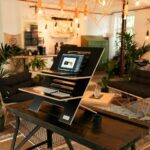
Comfort matters when spending long hours working. Choose an ergonomic chair that supports good posture to prevent back and neck pain. Your desk should be the appropriate height, allowing your forearms to rest comfortably without straining your wrists. If space allows, consider adjustable furniture like standing desks to change positions and reduce fatigue.
3. Declutter and Organize
A tidy workspace minimizes distractions and fosters focus. Keep only essential items on your desk and find organized storage solutions such as shelves, drawers, or bins for supplies. Using organizers helps you locate things quickly and maintain an orderly area that encourages calm and efficiency.
4. Use Soothing Colors and Decor
Colors can impact mood and concentration. Soothing tones like soft blues, greens, or neutrals promote a calm environment that enhances relaxation. Add personal touches such as artwork or plants to make your workspace inviting. Indoor plants, in particular, contribute to better air quality and bring a natural feel that can reduce stress.
5. Optimize Lighting
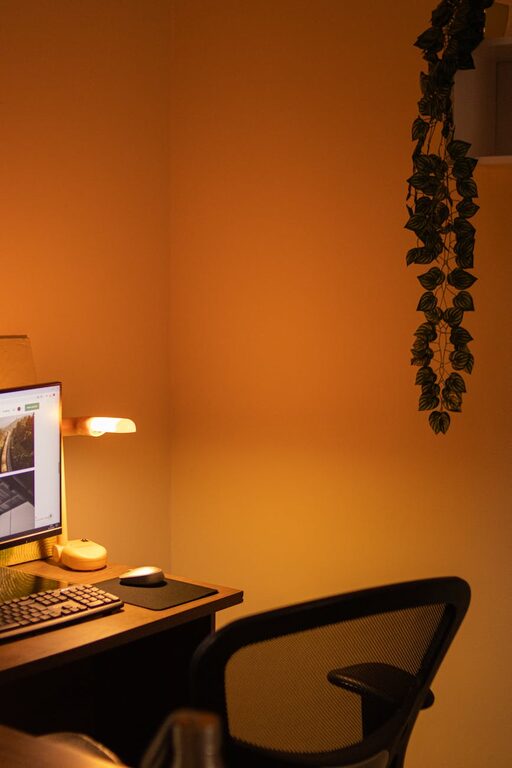
Good lighting is crucial to prevent eye strain and fatigue. Combine natural light with adjustable task lighting like a desk lamp. Warm, soft light creates a cozy atmosphere, while brighter light is better for detailed work. Avoid harsh overhead lighting that can cause glare on screens.
6. Minimize Noise Distractions
If noise is an issue, try soundproofing with rugs, curtains, or acoustic panels. Background noise can disrupt concentration, so using noise-cancelling headphones or playing gentle ambient sounds like white noise or soft instrumental music can help maintain focus and block out unwanted interruptions.
7. Set Boundaries for Work and Relaxation
Establish clear boundaries between your workspace and relaxation areas. This separation helps your brain associate work with the designated area, making it easier to switch “off” after-hours. Consider using room dividers or a specific desk setup that signals “work mode,” supporting a better work-life balance.
8. Keep Essential Tech and Supplies Handy
Avoid frequent interruptions by having all necessary technology and office supplies within reach. Use cable organizers to keep cords neat and avoid clutter. Reliable internet connection and a quality headset or microphone will streamline communication and reduce frustration during calls or virtual meetings.
9. Take Regular Breaks
Even with a perfect workspace, staying still for long periods isn’t good for concentration or health. Schedule short breaks to stretch, hydrate, or step outside if possible. Moving around refreshes your mind and body, boosting overall productivity and comfort.
10. Personalize Your Space Mindfully
While a workspace should be organized and functional, adding personal items like photos, inspiring quotes, or favorite mugs makes the area feel welcoming and uniquely yours. Just avoid overcrowding your space to keep it calm and distraction-free.
—
Designing a relaxing and productive home workspace is achievable by focusing on comfort, organization, and atmosphere. Small changes like adding plants, adjusting lighting, or investing in ergonomic furniture can greatly enhance your work experience. Take time to customize your area, listen to your needs, and adjust as you go for the best results. A well-designed workspace isn’t just about getting work done—it’s about doing it happily and healthily.



More Stories