




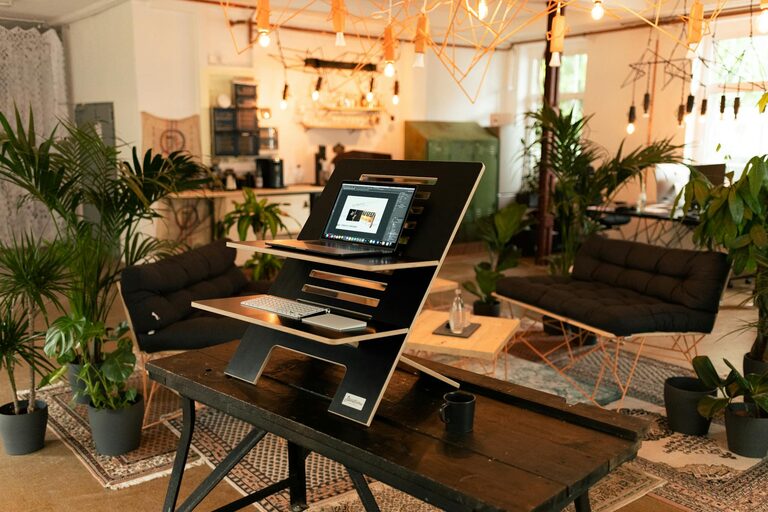
Creating a relaxing home workspace is essential for maintaining productivity while ensuring comfort during your workday. Whether you work remotely full-time, occasionally, or use your home office for personal projects, the environment you create has a big impact on how effectively and comfortably you can work. Below are practical tips to help you design a workspace that promotes relaxation and boosts your productivity.
Choose the Right Location
Consider Natural Light and Noise Levels
Start by selecting a spot in your home that gets plenty of natural light. Natural light can improve mood, increase alertness, and help regulate your body clock, which contributes to better focus. Avoid areas with too much noise or high foot traffic to minimize distractions. If noise is unavoidable, consider using noise-cancelling headphones or white noise machines.
Space and Layout Matter
Choose a space that is large enough to accommodate your work essentials without feeling cramped. Ideally, your workspace should be separate from common living areas to help create a boundary between work and relaxation, reducing the chances of burnout.
Invest in Comfortable and Ergonomic Furniture
Ergonomic Chair
Your chair should support your lower back and encourage good posture to prevent strain during long working hours. Adjustable features for height and back support are valuable for customizing comfort.
Desk Height and Size
Select a desk at a comfortable height where your arms can rest at a 90-degree angle when typing. Make sure your desk has enough surface area for your computer, notes, and any other tools you need regularly.
Organize for a Clutter-Free Environment
Declutter Frequently
A cluttered desk can distract you and increase stress. Keep only the items you need daily within reach and store other supplies out of sight. Make a habit of tidying up at the end of every day to maintain a clean workspace.
Use Storage Solutions
Incorporate shelves, drawers, and organizers to keep papers, books, cables, and other work materials neatly stored. Labeling storage boxes or files can also save time when searching for specific documents.
Incorporate Calming Colors and Decorations
Choose Soothing Colors
Colors like soft blues, greens, and neutrals have a calming effect and can help reduce anxiety. Avoid overly bright or distracting colors that might make it harder to focus.
Personal Touches
Add a few personal items such as a small plant, artwork, or family photos to make the space feel inviting. Plants can improve air quality and provide a natural, relaxing presence.
Optimize Lighting for Comfort and Productivity
Combine Natural and Artificial Light
While natural light is ideal, it’s important to have proper artificial lighting for cloudy days or late hours. Use adjustable desk lamps with warm light to reduce eye strain.
Reduce Glare and Screen Reflection
Position your computer screen perpendicular to windows to avoid glare. Consider using anti-glare screen protectors if needed.
Set Up Technology Efficiently
Cable Management
Organize cables using clips or sleeves to keep your workspace tidy and prevent tangles. This also reduces tripping hazards and makes cleaning easier.
Reliable Equipment
Invest in quality, reliable technology such as a good Wi-Fi router, monitor, keyboard, and mouse. When equipment works smoothly, it reduces frustration and helps maintain focus.
Create Boundaries to Separate Work and Rest
Define Work Hours
Set clear work hours and try to stick to them. This helps your brain distinguish between ‘work time’ and ‘relaxation time.’
End-of-Day Routine
Develop a routine to signal the end of your workday, such as shutting down your computer and clearing the desk. This practice encourages you to mentally switch off and relax.
Incorporate Personal Wellness Elements
Movement and Stretch Breaks
Plan short breaks to stand, stretch, or walk around. This helps reduce physical strain and boosts circulation.
Keep Hydrated and Snack Smart
Keep a water bottle at your desk and choose healthy snacks to stay energized without causing crashes in focus.
Conclusion
Creating a relaxing home workspace involves attention to lighting, comfort, organization, and personal touches that suit your needs. By designing a space that supports both your physical comfort and mental calmness, you can enhance your productivity naturally. Remember, your workspace should feel inviting and functional—a place where work doesn’t feel like a chore.
Experiment with these tips to find the balance that works best for you. A little effort upfront can make everyday work more enjoyable and effective.



More Stories
Tips for Creating a Cozy and Inviting Home Atmosphere All Year Round
Tips for Creating a Productive Home Office Space
Tips for Creating a Comfortable and Productive Home Office Setup