




Creating a well-organized home workspace is essential for staying focused and productive, especially when working remotely or managing tasks from home. A clutter-free area not only promotes efficiency but can also reduce stress and help separate work from personal time. Here are some practical tips for organizing your home workspace to make it both neat and productive.
Choose the Right Spot
Before organizing, pick a dedicated place for your workspace. Ideally, choose a quiet corner with good natural light. Avoid spaces with distractions, such as high traffic areas or places usually associated with relaxation, like your bed or living room sofa. Having a defined work zone sets the tone for productivity and makes it easier to maintain organization.
Declutter Your Desk and Surroundings
Start with clearing everything off your desk and only returning the essentials. Remove unnecessary paperwork, old notes, and office supplies you no longer need.
Steps to declutter effectively:
– Sort items into categories: Keep, Donate/Sell, Recycle, Trash.
– Limit supplies to what you use regularly — it’s easy to accumulate duplicates over time.
– Digitize documents by scanning papers to store them electronically, reducing physical clutter.
– Clean your desk surface before placing items back.
A clean, tidy desk helps you focus and sets a productive tone for your day.
Use Smart Storage Solutions
Storage is key to maintaining a clutter-free workspace. Use practical organizers to keep your items in order.
Storage ideas include:
– Drawer organizers for pens, paper clips, and other small supplies.
– Vertical file holders or magazine racks for important documents and folders.
– Shelving units or wall-mounted shelves to save desk space.
– Storage boxes or bins labeled clearly to store extra supplies or reference materials.
Keeping everything in its place makes it easier to find what you need and maintain tidiness.
Invest in Quality Furniture and Ergonomics
A functional workspace supports comfort and efficiency. Consider investing in a comfortable office chair and a desk with enough surface area to accommodate your work essentials without clutter.
Ergonomic tips:
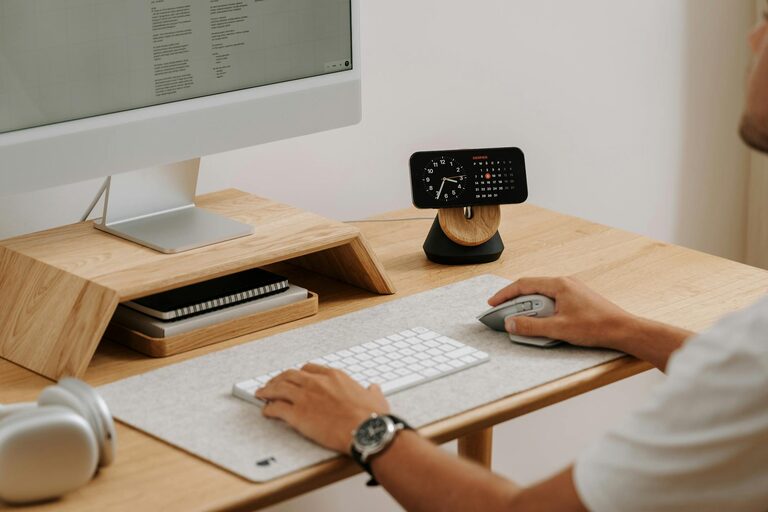
– Position your monitor at eye level.
– Use a chair that supports good posture.
– Keep frequently used items within arm’s reach.
– Arrange cables neatly using clips or ties to avoid tangling.
Ergonomic furniture not only enhances comfort but also encourages you to maintain your organized setup.
Establish Daily Habits to Maintain Organization
Organization is an ongoing process. Incorporate simple daily habits to keep your workspace tidy.
– End your workday by tidying your desk—put away supplies, organize papers, and prepare for the next day.
– Set aside time weekly for deeper cleaning and reorganizing.
– Keep a trash bin nearby to eliminate waste immediately.
– Limit the number of personal items at your workstation to avoid distractions.
Regular maintenance ensures clutter does not build up over time.
Optimize Lighting and Ambiance
Good lighting can improve mood and productivity. Natural light is best, but if unavailable, invest in quality desk lamps with adjustable brightness.
Consider adding elements that make your workspace pleasant:
– Soft background music if it helps you concentrate.
– Plants to improve air quality and add a touch of nature.
– Personal touches like a photo or small art piece without overcrowding the space.
A comfortable ambiance invites motivation and focus.
Utilize Technology to Stay Organized
Digital tools can reduce the need for physical materials and keep you organized.
– Use note-taking apps for lists and reminders.
– Manage your schedule with digital calendars.
– Store files in cloud services to reduce paper clutter.
– Use wireless charging and minimize cables on your desk.
Leveraging technology helps streamline work and maintain a neat environment.
Separate Work and Leisure Tools
If you live in a small space, it might be tempting to mix work and leisure items. To maintain focus:
– Avoid mixing work supplies with personal items on your desk.
– Use separate storage bins or shelves for non-work-related things.
– When work hours are over, close your laptop and clear away work materials to mentally switch off.
This clear separation helps maintain a productive mindset during work hours and relax fully afterward.
Conclusion
Organizing a clutter-free and productive home workspace takes some planning and daily effort, but the benefits are well worth it. By choosing the right spot, decluttering regularly, investing in smart storage, and establishing healthy habits, you can create a home office that encourages focus, efficiency, and a positive work experience. Remember, a tidy workspace is a welcoming space—one that helps you perform at your best every day.




More Stories
Tips for Creating a Relaxing Home Workspace to Boost Productivity and Comfort
Tips for Creating a Cozy and Inviting Home Atmosphere All Year Round
Tips for Creating a Productive Home Office Space